
The honest answer to “when’s the best time to surf in Portugal?” is the one that nobody who writes these articles wants to give: it depends. It depends on your level. It depends on what kind of waves you want. It depends on whether you care more about warm water or empty lineups, sunshine or swell size, the social atmosphere of a busy camp or the solitude of a winter dawn patrol.
Portugal has surf every month of the year. That’s not marketing — it’s geography. Over 800 kilometres of west-facing Atlantic coastline, fully exposed to the same open-ocean swells that travel thousands of miles from storms in the mid-Atlantic, means the waves never truly switch off. But the character of those waves changes so dramatically from season to season that surfing Portugal in July and surfing Portugal in December are fundamentally different experiences. Both are good. Neither is “the best time.” It’s about matching the season to what you’re looking for.
Here’s what each season actually feels like, with the specific numbers that matter.
Winter: October through March — the power season
This is Portugal at its most serious. Large North Atlantic low-pressure systems send powerful groundswells marching towards the coast, producing waves that can reach well overhead on any given day and occasionally much bigger than that. Nazaré, the big-wave spot that broke the internet, operates during this window — the massive canyon offshore funnels and amplifies the swell, producing the 20-metre-plus walls of water that make global headlines every winter. But you don’t need to surf Nazaré to appreciate winter in Portugal. Even the mellow beach breaks that are gentle and forgiving in summer become powerful, fast and demanding between October and March.
The water drops to its coldest: 13–14°C in northern Portugal, 14–15°C in the centre around Peniche and Ericeira, 15–16°C in the Algarve. A 4/3mm wetsuit is the minimum for the north; add neoprene boots, and consider gloves and a hood for January and February sessions. The air temperature sits between 8 and 15°C, which means getting changed in the car park is a teeth-chattering experience that you’ll tell stories about later. But once you’re in the water and moving, the cold fades. The adrenaline of a powerful winter swell does a remarkable job of making you forget about your toes.
Winter’s gift to surfers is emptiness. The tourists have long gone. The beaches are deserted. The lineups, even at popular spots, thin out dramatically. You can surf world-class waves with a handful of dedicated locals and nobody else. For experienced surfers, this is prime time. The swells are consistent, the winds (predominantly east and northeast — offshore on the west-facing coast) create clean, groomed conditions, and the overall feeling is raw, wild and elemental. Portugal in winter isn’t comfortable. It’s alive.
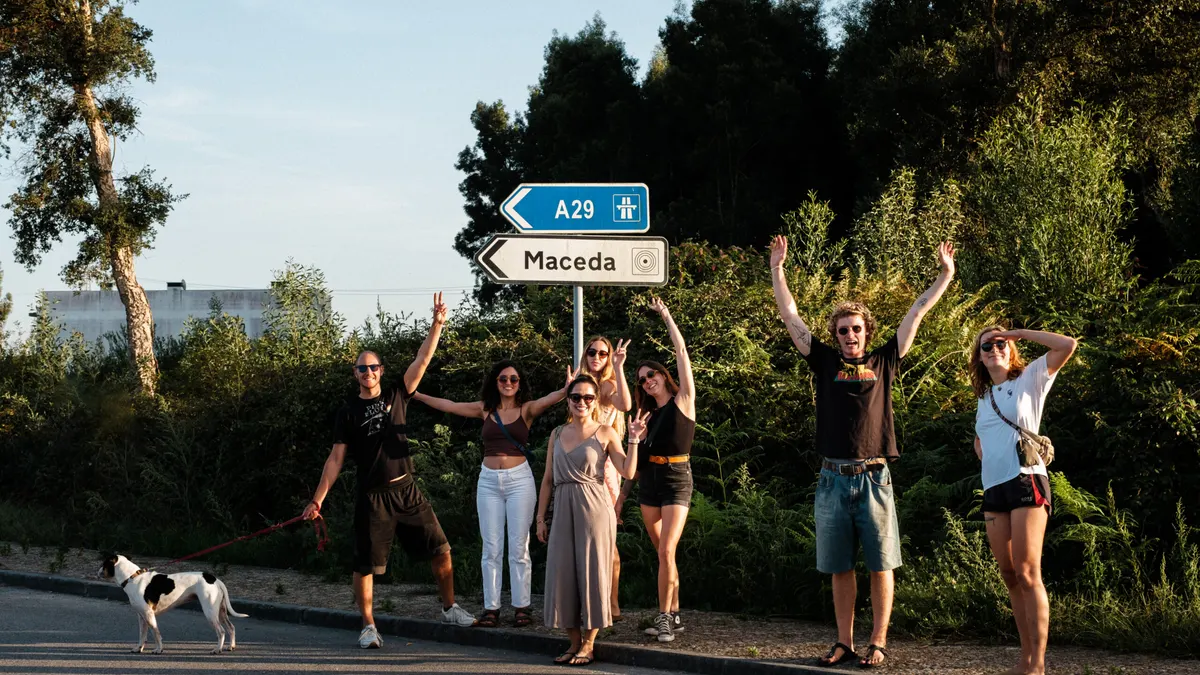
For beginners, winter isn’t impossible — just more selective. At Maceda Surf Camp, we know every sheltered corner of our coastline. When the main breaks are overhead and pounding, there are protected nooks — inside sections of the beach, spots where the dunes or headlands block the full force of the swell — where beginners can still learn safely. We don’t shut down in winter. We just adapt.
Spring: April through June — the sweet spot
If we had to recommend one season to someone who’s never surfed Portugal before and wants the best all-round experience, it would be spring. Not early spring (April is still transitional — the swells are mellowing but can still surprise you, and the water is only just beginning to warm) but that golden window from late April through June, when everything aligns.
The big winter swells fade but don’t disappear entirely. You still get solid, rideable surf most days — head-high to overhead on the exposed breaks, waist to chest-high on the sheltered ones. The difference is that the waves have lost their winter aggression. They’re still powerful enough to be interesting, but forgiving enough for intermediate surfers to push themselves and beginners to feel challenged without feeling overwhelmed.
The water warms to 15–18°C. A 3/2mm wetsuit handles everything comfortably. The air temperature climbs into the 15–23°C range. The days lengthen. The light, particularly in May and June, takes on a quality that photographers lose sleep over — warm, golden, long-shadowed, the kind of light that makes the ocean look like it’s been colour-graded.
The lineups are busier than winter but nowhere near the summer chaos. Surf camps are open and running but haven’t hit peak capacity. You can still find uncrowded peaks most days, especially in northern Portugal where the crowds are thin even in high season. It’s the time of year when the camp atmosphere is at its best: a mix of returning regulars, first-timers, couples, solo travellers and the occasional small group, all riding the same wave of good conditions and long days.
June, in particular, is a hidden gem. The weather is genuinely warm. The ocean is friendly. The Nortada — the strong northerly wind that ruins afternoon surf in high summer — hasn’t fully kicked in yet. School holidays haven’t started, so families haven’t arrived en masse. It’s the last quiet month before the summer rush, and it’s exceptional.
Summer: July through September — the social season
Summer in Portugal is when the waves shrink and the people multiply. It’s the trade-off that defines the season: the warmest water, the longest days, the best weather, the most social atmosphere at every camp along the coast — but also the smallest waves, the most crowded beaches, and the frustrating afternoon Nortada wind that blows onshore along the west coast from about midday onwards, turning clean morning waves into choppy, unsurfable mush.
The water reaches 17–20°C in the north (with a significant caveat — see below), 19–21°C in the centre, 20–22°C in the Algarve. A 3/2mm wetsuit is standard for the north; in the centre and south, some surfers switch to a springsuit or even boardshorts on the warmest days. Air temperatures sit comfortably in the 20–30°C range, occasionally pushing higher in inland areas.
Here’s the caveat about northern Portugal’s summer water: upwelling. On certain wind patterns — typically when the Nortada blows hard from the north — cold deep water is drawn up to the surface, and the ocean temperature can drop from 18°C to 15°C almost overnight. You’ll be sitting on the beach in 30°C heat, look at the ocean, think “this will be warm,” and then paddle out and wonder if you’ve accidentally time-travelled to February. It’s temporary (usually a few days), but it’s a good reason to always bring a proper wetsuit to northern Portugal, even in August.
The waves in summer are small. Waist-high on a good day, knee-high on a quiet one, and genuinely flat on the occasional dead spell. For beginners, this is ideal — gentle, forgiving whitewater that’s easy to catch and ride, with no anxiety about getting caught in a big set. For experienced surfers, summer can be frustrating. The saving grace is early mornings: the window between dawn and about 11am, before the wind picks up, often delivers surprisingly clean, fun conditions even on small days. After midday, conditions usually deteriorate quickly on the west coast.
At Maceda, summer is the busiest time at camp, and the atmosphere reflects it. Bonfire nights are packed. On hot days there’s the natural pool to cool off in. Sunset surfs, communal dinners, long evenings in the hammock, conversations with guests from a dozen countries. If you’re coming for the social experience as much as the waves, summer delivers.
Autumn: September through November — the secret season
Ask any experienced Portuguese surfer which season they’d pick if they could only surf one, and most will say autumn. It has everything: warm water still holding from summer (16–19°C through October), building Atlantic swells as the first autumn storms track across the ocean, offshore winds returning after the Nortada fades, golden light that makes every session look cinematic, and — crucially — the tourists going home.
September is the transition month. The water is at its warmest. The summer crowds start thinning after the first week, when European schools reopen. The swell begins to build — not the full winter power, but solid, fun waves that arrive more consistently than anything summer offered. September in Portugal is, by many measures, the single best month to surf in the country. Warm, uncrowded, consistent and beautiful.
October doubles down. The swells get bigger and more frequent. The water is still comfortable in a 3/2mm. The air cools to a pleasant 16–23°C. The light turns even more golden, with long, low-angled evenings that photographers and surfers equally worship. The lineups empty further. By late October, you might share a peak with one or two people at spots that had twenty surfers on them in August.
November brings the first real taste of winter. The swells push overhead regularly. The water drops to 15–16°C (time to switch to the 4/3mm). The days shorten. The mood shifts — autumn becomes something darker, more atmospheric, more intense. It’s still beautiful, but it’s the beauty of storms gathering on the horizon, of powerful swells marching in from the Atlantic, of the ocean reminding you that it’s bigger and stronger than you’ll ever be.
If you’re an intermediate surfer looking for the best balance of wave quality, water temperature, crowd levels and overall vibe, the September–October window is the answer. No question.
The north vs the centre vs the south
The season matters, but so does the region. Portugal’s coastline covers a significant latitude range, and conditions vary more than you might expect.
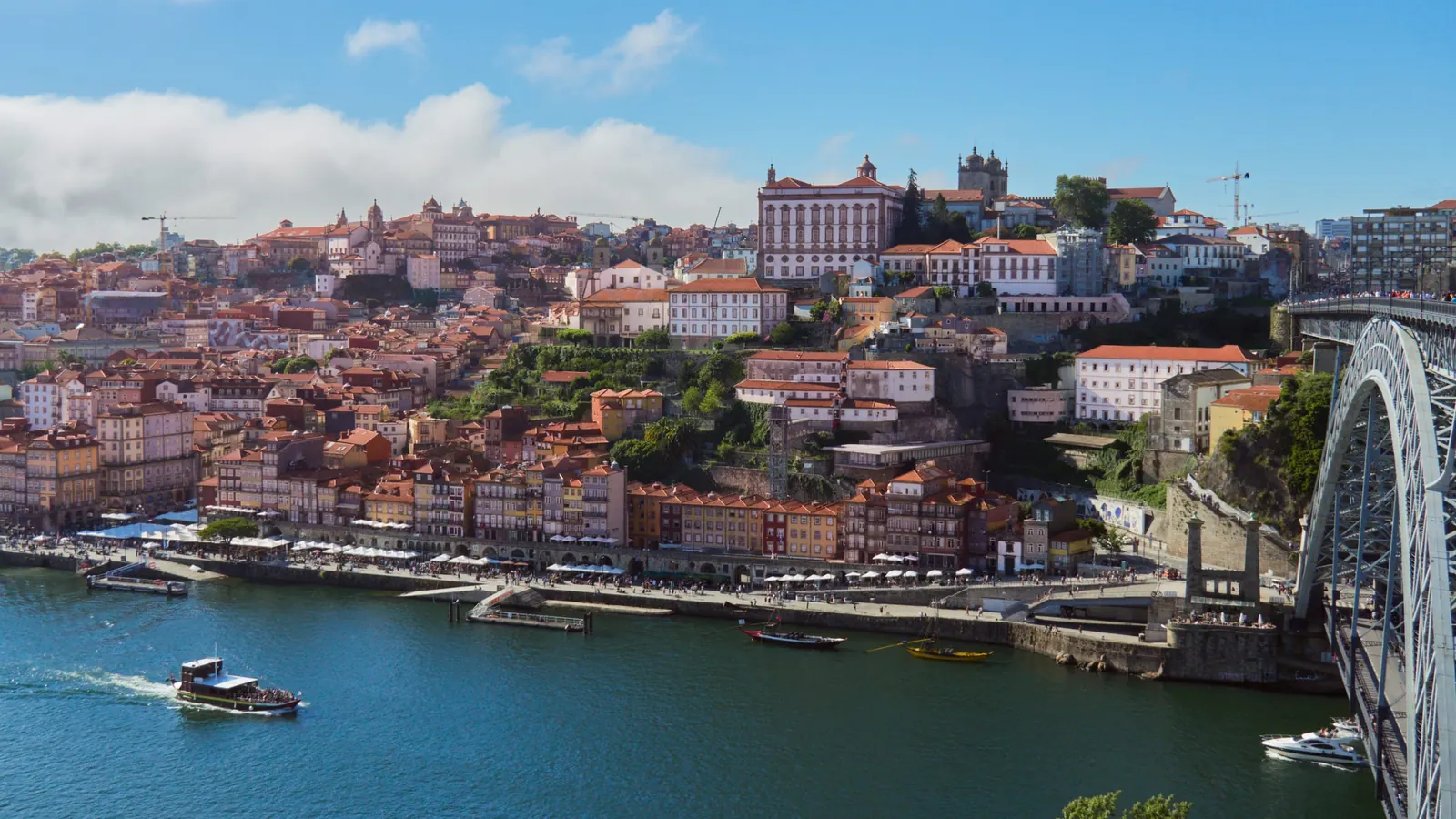
Northern Portugal — where Maceda and Porto sit — is the most exposed, most consistent and most uncrowded. It picks up more swell than anywhere else in the country, which means the waves are bigger on average and more reliable. The tradeoff is temperature: the north is the coldest, both in water (a couple of degrees below the centre) and air. The upwelling effect in summer is strongest here. But the emptiness of the lineups is genuinely remarkable — even in peak season, the north feels uncrowded in a way that the centre and south simply don’t.
Central Portugal — Ericeira, Peniche, and the stretch around Lisbon — is the most developed surf region. The wave variety is extraordinary: world-class reef breaks at Ericeira (Coxos, Ribeira d’Ilhas), heavy beach breaks at Peniche (Supertubos), and dozens of spots in between. The infrastructure is excellent, with more surf camps, surf shops and surf schools per kilometre than anywhere else in the country. The downside is crowds. Ericeira’s best breaks are packed year-round. Peniche gets very busy during competitions and summer. The atmosphere is more “surf industry” than the north.
The Algarve is the warmest, sunniest and most sheltered. The south coast rarely gets proper surf, but the west coast (Sagres, Arrifana, Amado) is exposed to Atlantic swell and can produce excellent waves. Consistency is the issue — the Algarve doesn’t pick up as much swell as the north or centre, so flat spells are more common, particularly in summer. But when it’s on, the combination of warm water, dramatic cliff scenery and quality waves is hard to beat.
The quick version (by level)
Complete beginners: Come between May and September. The waves are smallest and most forgiving, the water is warmest, and the longer days mean more time in the water. In the north, June and September are particularly good — summer conditions without summer crowds.
Progressing beginners and intermediates: April to June or September to October. The sweet spot — enough swell to challenge you, warm enough to be comfortable, uncrowded enough to catch plenty of waves. October in northern Portugal, with building autumn swells and empty lineups, might be the single best month for intermediate surfers anywhere in Europe.
Advanced surfers: October through March. This is when the Atlantic means business. Powerful, consistent swells, offshore winds, empty lineups. The water’s cold and the days are short, but the waves make everything else irrelevant.
Everyone: September. If you can only visit once and you want the best chance of everything — warm water, good waves, thin crowds, beautiful weather — September is the answer.
The honest summary
There is no bad time to surf in Portugal. The waves don’t stop. The coast doesn’t close. Every season offers something worth travelling for. The question isn’t “when should I go?” — it’s “what kind of trip do I want?”
At Maceda, we host guests year-round, and every month brings a different version of the same magic. Winter’s raw power. Spring’s gentle awakening. Summer’s social warmth. Autumn’s golden perfection. They’re all Portugal. They’re all good.
Pick your season. Trust the ocean. Come surf.