
Every surf trip has a place that sticks. Not the wave — the place. The village where the bakery lady knew your order by day three. The beach where you surfed for two hours and never saw another person. The campfire where a stranger from Copenhagen became a friend you still text.
For a growing number of surfers in northern Portugal, that place is Maceda.
What even is a surf town?
The term gets thrown around a lot. Ericeira is a surf town. Hossegor is a surf town. Biarritz, Byron Bay, Taghazout — all surf towns. They share the basics: proximity to good waves, a community built around the ocean, and that unmistakable rhythm where the tide chart matters more than the clock.
But surf towns come in wildly different flavours. Some have been polished into destinations — boutique hotels, specialty coffee, curated Instagram feeds. Others are still raw, still finding their voice, still blissfully unaware of their own potential.
Maceda is firmly in the second category. And honestly, that’s the whole point.
Where is Maceda, anyway?
If you haven’t heard of it, you’re not alone. Maceda is a parish in the municipality of Ovar, on Portugal’s Costa Verde — the “Green Coast” — about 30 kilometres south of Porto. It sits on a stretch of Atlantic coastline that runs from Cortegaça in the north through Maceda down to Esmoriz in the south. That’s roughly 10 kilometres of wild, sandy beach backed by dense maritime pine forest, rolling dunes and very little else.
The village itself has around 3,300 residents. There’s a church, a couple of cafés, a bakery that still makes bread the old way, a small supermarket five minutes on foot from camp, and streets quiet enough that the loudest thing you’ll hear most mornings is birdsong. The occasional tractor counts as a traffic event.
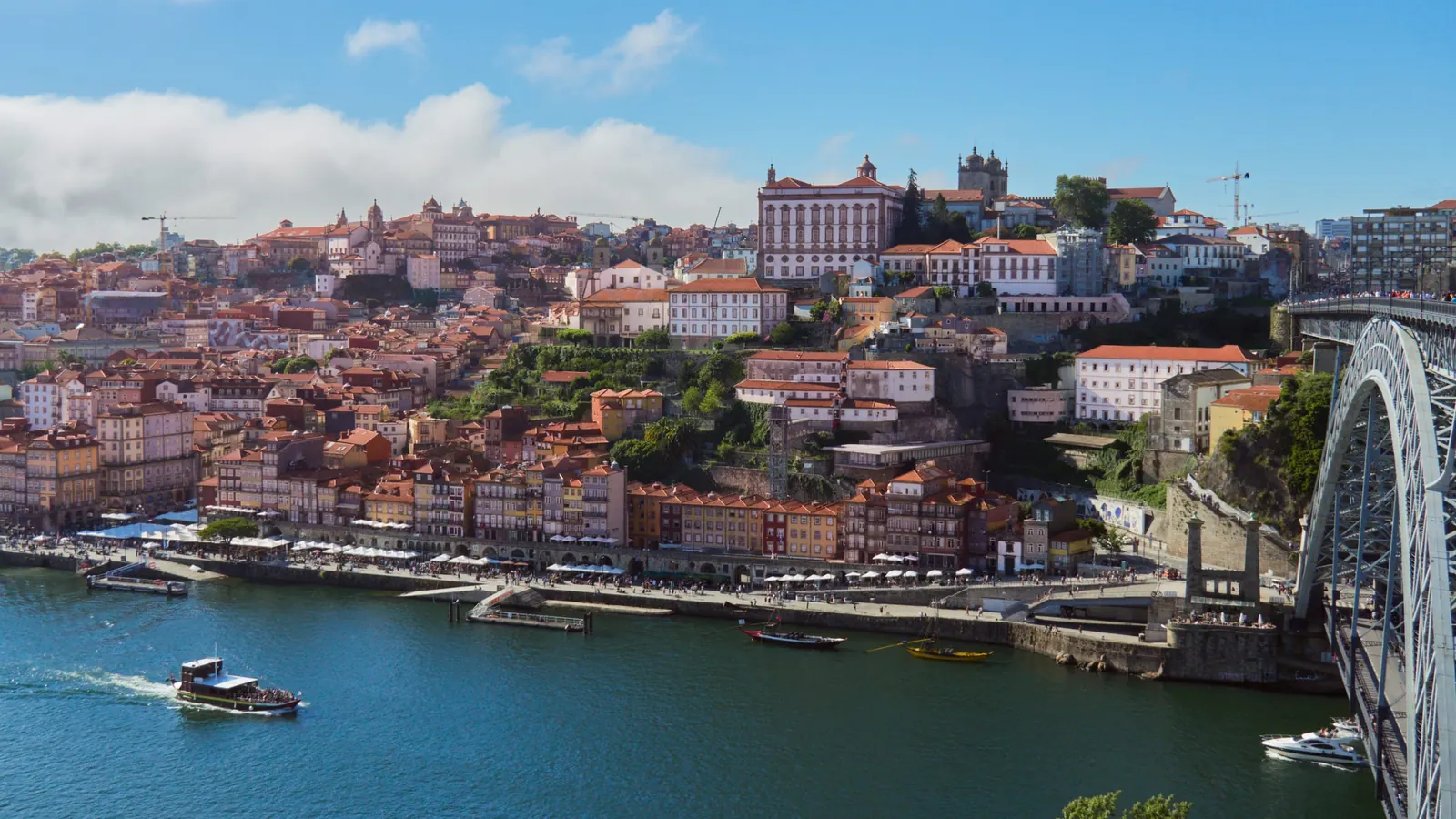
Getting here is simpler than you’d think. From Porto, you can drive in 40 minutes (A1 motorway or the slower, prettier coastal road). You can take the train from Campanhã station to Carvalheira-Maceda — it’s a real stop on the Aveiro line, about 32 minutes, and costs a few euros. Or we’ll arrange a transfer from Porto airport for €60, door to door. No buses, no connections, no stress.
8 reasons Maceda deserves a spot on your surf trip list
1. The nature here hasn’t been touched
This is the first thing people notice, and the last thing they forget. Maceda’s beach — Praia de São Pedro de Maceda — stretches about 3.5 kilometres of white sand, flanked by dunes that rise and fall like gentle hills, and a pine forest so dense it feels like a different world entirely. There are no high-rises behind the beach. No beach bars pumping music. No rows of sun loungers. No parasols. Just sand, sky and the Atlantic doing its thing.
The whole area is part of a protected coastal zone. The dune systems, the wetlands, the native forest — they look the same as they did a hundred years ago. Walk ten minutes in either direction along the beach and you’ll likely be the only person in sight. In a world where every coastline seems to be under construction, this feels like stumbling on something that was supposed to have disappeared by now.
2. The waves are uncrowded (like, really uncrowded)
If you’ve ever surfed Ericeira on a summer weekend, you know the feeling: twenty people on every peak, boards flying, tension in the water, that nagging sense that you’re competing rather than surfing. Peniche can be the same. Even Matosinhos, Porto’s urban beach, gets packed.
Maceda is a different story. The beach break here picks up swell from every direction — west, northwest, southwest — and produces multiple peaks along its length. On a good autumn day, you might share a peak with two or three people. On a Tuesday in May, you might have the entire beach to yourself.
That space changes everything. You catch more waves. You relax. You try things without worrying about dropping in on someone. Beginners aren’t stressed about getting in the way. Experienced surfers actually enjoy the session instead of jockeying for position. It’s what surfing is supposed to feel like — and it’s increasingly rare in Portugal.
3. There are waves here every month of the year
Maceda’s west-facing coastline is a swell magnet. Large North Atlantic groundswells arrive consistently from October through March, delivering powerful, overhead-plus waves that light up the beach breaks and keep experienced surfers grinning. Winter water sits around 13–14°C (cold, yes — you’ll want a 4/3mm wetsuit and booties — but the lineups are empty and the waves are worth every shiver).
Summer brings a different character entirely. The swells shrink to waist-high or smaller, the water warms up to 17–18°C (still not the tropics, but a 3/2mm handles it), and the waves become gentle, forgiving and perfect for learning. It’s a different ocean, almost. Friendlier. More patient.
The sweet spots are the transitions. April through June and September through November offer the best of both: manageable swell, warming (or still-warm) water, offshore mornings, golden light, and hardly anyone around. If you’re picking your dates, those shoulder seasons are where the magic lives. (More detail in our season-by-season guide.)
The sandbars shift through the year, too, which means the waves change character even at the same spot. A peak that was producing mellow rollers in June might be throwing up fast, punchy lefts by October. It keeps things interesting — there’s always something new to discover, even if you’ve been here before.
4. Life moves at a pace that actually feels good
There’s no nightclub in Maceda. No cocktail lounge. No Instagram-famous brunch spot with a two-hour wait. There’s barely a traffic light. And far from being a drawback, this is the thing that people mention most when they talk about their time here.
Maceda operates on a different clock. Mornings start with the birds. The light through the pine trees does something particular in this part of Portugal — soft, filtered, almost green — that makes waking up feel less like an obligation and more like an invitation. The pace of the day is set by the tide chart: when to surf, when to eat, when to rest, when to sit around the fire as the sun drops behind the forest.
It sounds simple because it is. But simple is surprisingly hard to find. Most people arrive from jobs and cities where every minute is accounted for, where the phone never stops, where “relaxation” means scrolling on a different couch. Maceda strips that away, not through some curated wellness programme, but just by being what it is: a quiet village next to an empty beach in a pine forest.
By day three, most guests stop checking the time.
5. This is real Portugal — not the tourist version
Maceda isn’t a surf town that’s been packaged for visitors. It’s a working Portuguese village with roots that go back centuries. The houses have traditional northern Portuguese architecture — granite, tile, small gardens behind stone walls. The older residents still tend vegetable plots and hang laundry in the sun. The local festivals (festas) involve the whole community, with food, music, fireworks and everyone from toddlers to great-grandparents.
The fishing heritage runs deep along this coast. Cortegaça, the next beach north, still has traditional fishing boats on the sand and a history of “Arte Xávega” — a centuries-old drag-net fishing method once powered by oxen. The old “palheiros” (wooden stilt houses used by fishing families) are unique to this stretch of coast and found nowhere else in Portugal in this form.
The food tells the story too. Grilled sardines with boiled potatoes and peppers. Eel casserole from the nearby lagoons. Fresh fish from the morning catch, simply grilled and served with nothing more than olive oil, garlic and lemon. A meal like that at a local restaurant costs maybe €10–12, with a glass of vinho verde from the region. Compare that to the €25 fish plate at a beachfront restaurant in Lagos, and you start to understand why people who find Maceda tend to come back.
6. When the waves are done, the land delivers
Surfing is the draw, but it’s not the only thing here. The pine forest that backs the beach is crisscrossed with trails — perfect for running, mountain biking or just walking in silence between sessions. The Barrinha de Esmoriz, a freshwater coastal lagoon ten minutes south, is a protected nature reserve with its own ecosystem of birdlife and wetland flora. The waterfalls and freshwater lagoons of Serra da Freita — inland, in the Arouca Geopark — make a spectacular day trip.
And then there’s Porto. Forty minutes north, you’re in one of Europe’s most vibrant cities: UNESCO World Heritage streets, port wine cellars across the river in Vila Nova de Gaia, the francesinha sandwich (a heart-stopping tower of cured meats, melted cheese and spicy beer sauce that every visitor must try at least once), Livraria Lello, the Douro River, craft beer bars, live music, azulejo tiles everywhere you look. It’s an easy day trip from Maceda — or you can spend a few days there before or after your surf camp stay. We wrote a whole guide to things to do in Porto.
At camp, the afternoons fill themselves: yoga in the forest shala, surfskates and bikes that are free to use (with surfskate lessons if you want them), ceramic workshops, wine and cheese tastings with local producers, and the occasional excursion to waterfalls that have no name on any map.
7. Your money goes further here than almost anywhere else in surf Portugal
Let’s talk numbers, because they matter. A galão (the Portuguese milky coffee, similar to a latte) costs €0.70 in Maceda. In Ericeira, you’re looking at €2.50–3.00. A grilled fish lunch with salad, bread and a glass of wine at a local Maceda restaurant runs about €10–12. The same meal in Lagos or Baleal costs €20–25.
A week at Maceda Surf Camp — accommodation, breakfast every morning, surf lessons, equipment, beach transport, activities — starts from around €290 per person. A comparable week at a surf camp in Ericeira or Peniche runs €500–900. At a boutique retreat in the Algarve, you’re well north of €1,000.
This isn’t because Maceda is a lesser experience. It’s because northern Portugal hasn’t been inflated by the tourism economy that’s driven prices up in the south and centre. The quality of the waves, the food, the nature — it’s all there. You just pay less for it.
How long that lasts is anyone’s guess. Surf towns have a pattern: surfers discover them, word spreads, prices rise, developers arrive, and the thing that made the place special starts to erode. Maceda is still at the beginning of that curve. The people who come now will look back in five years and say, “I’m glad I went when I did.”
8. The surf community here is small, welcoming, and real
There’s no localism in the water at Maceda. No territorial vibes, no dirty looks, no pecking order on the peak. The handful of local surfers who call this stretch of coast home are relaxed and friendly — they’ll share a wave, point you to the best sandbar, chat about the forecast in the car park.
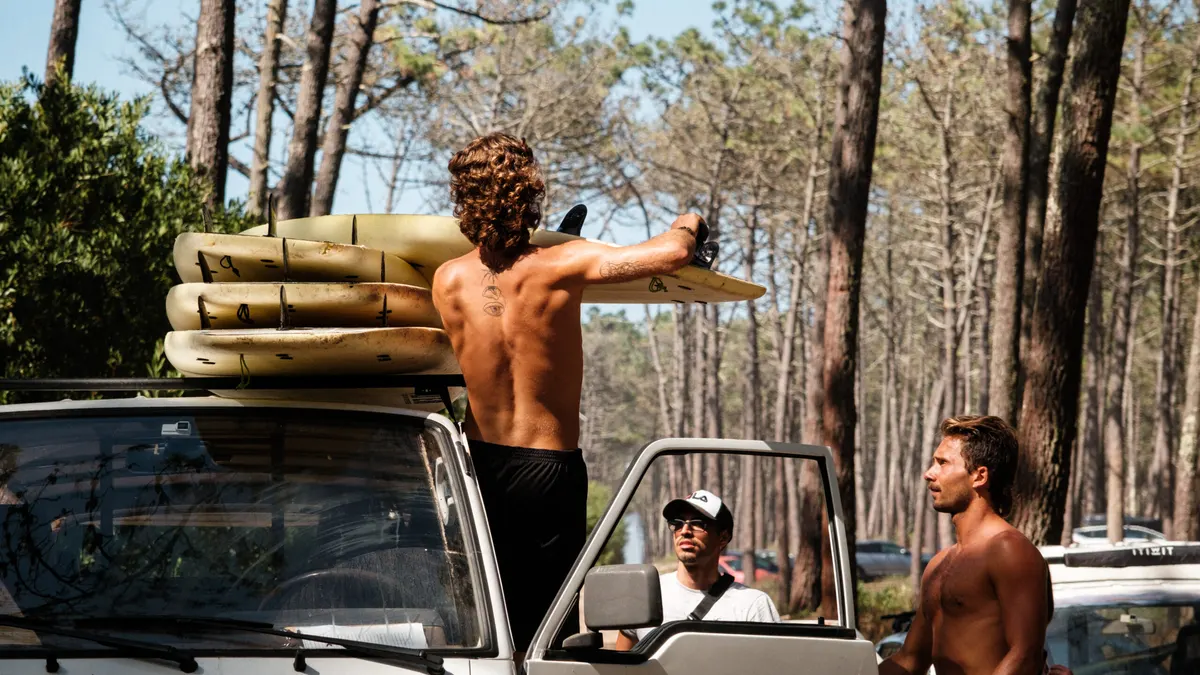
Maceda Surf Camp has been part of this community since 2011, when João Diogo — a pioneer Portuguese surfer who started riding waves back in 1980 on the beaches around Porto — found a plot of land near the forest and built something from scratch. Literally from scratch: the camp was constructed from about 70% recycled and reclaimed materials — salvaged wood, recycled metal, repurposed containers, even surfboards and old wetsuits used for insulation. It wasn’t designed as a business. It was designed as a place to live simply, close to nature and close to the ocean.
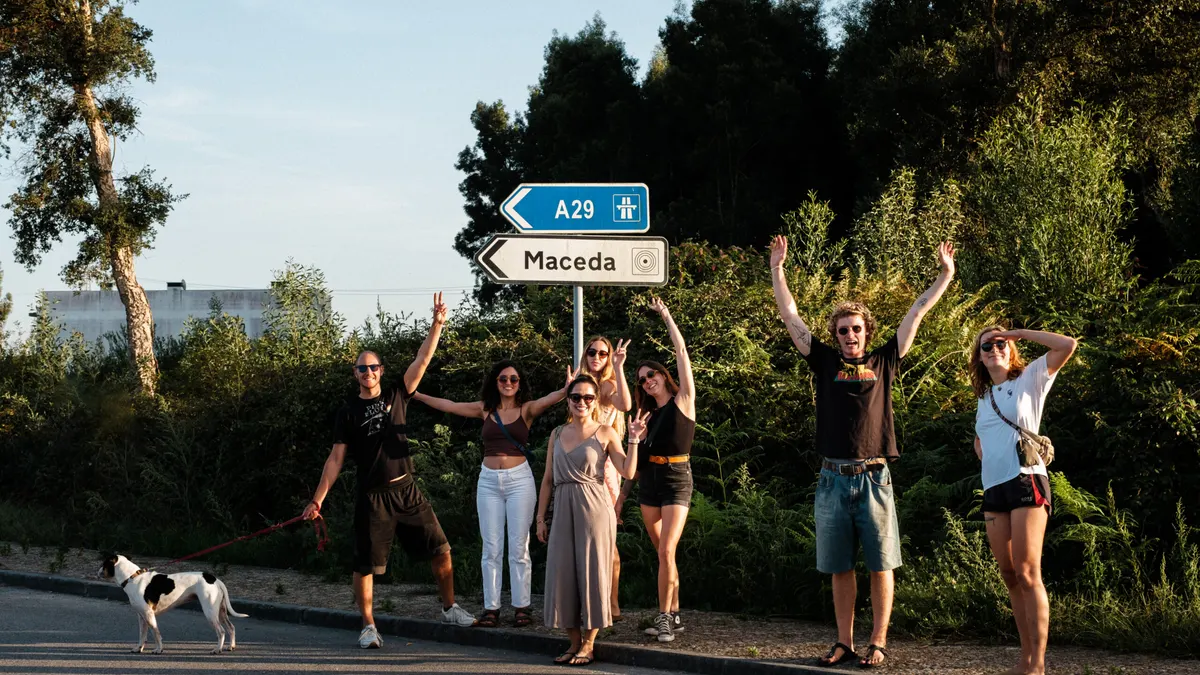
Mariana and Filipe run the camp these days: she’s from the Porto area and teaches yoga, he teaches surfing. Before you arrive, it’s Svea who answers your messages. Once you’re here, you’ll meet Kate, a local who has the kind of effortless warmth that makes solo travellers feel at home within hours, and Pedro, who likes nothing better than grilling fish or veggies at the BBQ. The camp attracts guests from Germany, the Netherlands, Denmark, the UK, France, Canada — most of them solo travellers in their twenties and thirties, most of them looking for something that feels less like a holiday and more like a reset.
It’s not the flashiest surf camp in Portugal. The rooms are simple (comfortable, clean, but simple). The yoga shala is in the forest, not in a designer studio. The nightly entertainment is a bonfire, some music, and conversations that go deeper than you expected. But that stripped-back quality is what makes it stick. TripAdvisor guests rate it 4.8 out of 5. Booking.com gives it a perfect 10 for value. And the reviews say the same thing over and over: “I came for a week and nearly stayed for a month.”
A few things people always ask
What kind of waves does Maceda have? Beach breaks on a sandy bottom — no rocks, no reef, no urchins. The sandbars produce multiple peaks that shift through the year, so there’s variety even on the same beach. Ideal for beginners and intermediates, with enough power in autumn and winter to keep experienced surfers interested.
Is it really only 40 minutes from Porto? Yes. By car or train. The Carvalheira-Maceda train station is a real stop on the main Porto-Aveiro line, about 32 minutes from Campanhã station. The walk from the station to the camp is about five minutes. No car needed.
Can I combine it with a Porto city break? Easily, and we’d recommend it. Many guests spend two or three days in Porto before or after their camp stay. The train makes it seamless.
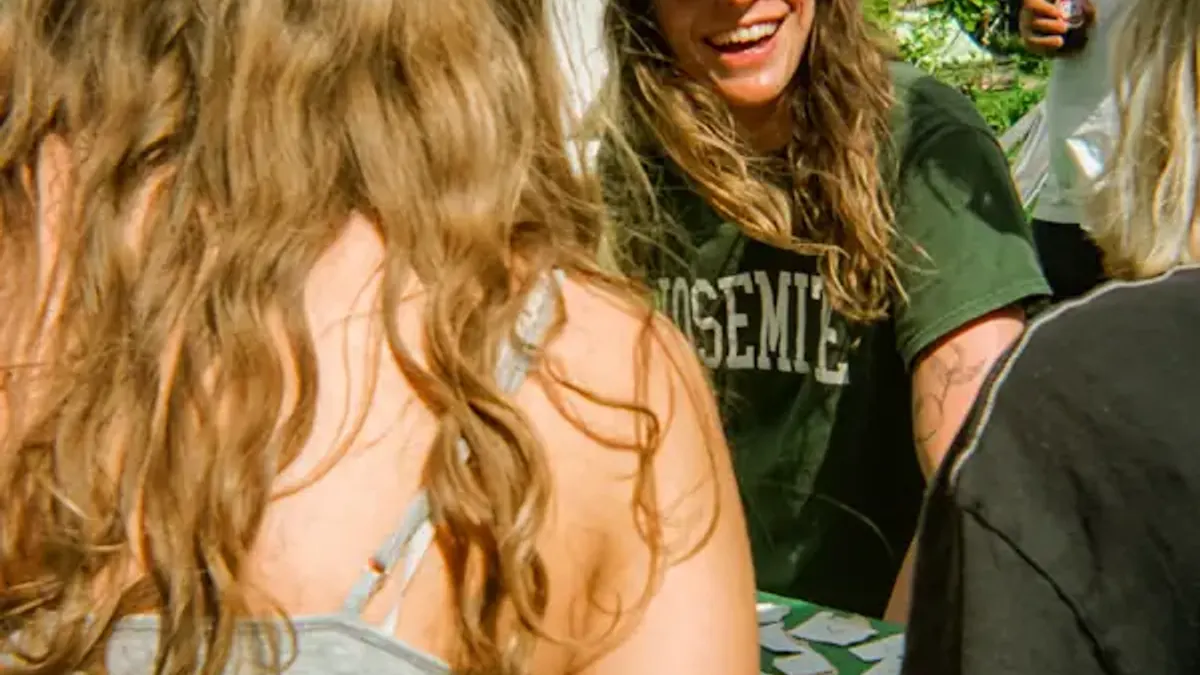
Is it good for solo travellers? Very. Most of our guests come alone. The communal meals, shared activities and bonfire evenings make it easy to connect — you’ll know everyone’s name by the second night.
What about the water temperature? Northern Portugal isn’t tropical. Winter water sits around 13°C (you’ll want a 4/3mm wetsuit and booties). Summer reaches 17–18°C (a 3/2mm is fine). We provide wetsuits, so you don’t need to bring your own.
Maceda won’t dazzle you with options. It won’t sell you an experience or curate your itinerary. What it will do is give you empty waves, pine-scented mornings, grilled fish for lunch, a bonfire at night, and the kind of quiet that makes you wonder what you’ve been doing with all the noise.
Sometimes the best surf towns are the ones that haven’t figured out they’re surf towns yet.